
The Non-Negotiables of a Deep-Sea Sport Fishing Adventure
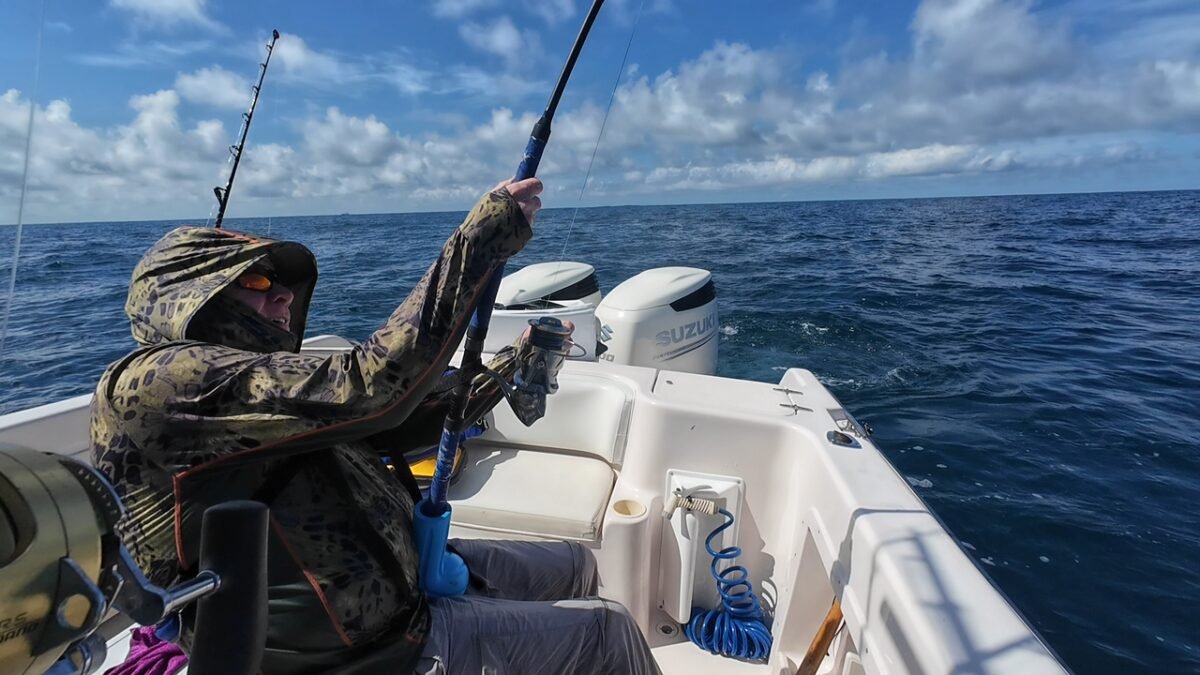
There is nothing quite like the thrill of offshore sport fishing. The anticipation as you cruise out past the breakers, the sound of the reels screaming when a massive yellowfin tuna or black marlin strikes, and the pure adrenaline of the fight—it is an experience that stays with you for a lifetime.
But the very thing that makes deep-sea fishing so exhilarating—the raw, unpredictable power of the open ocean—is exactly why safety can never be an afterthought. When you are miles away from the coast, the ocean doesn’t care about your weekend plans. A great fishing trip isn’t just defined by what you bring back to the dock; it’s defined by making sure everyone onboard returns safely.
Whether you are a seasoned angler or stepping onto a charter boat for the very first time, understanding the “why” behind marine safety is what separates a world-class adventure from a preventable disaster. Here is a deep dive into why specialized safety equipment, a rock-solid communication system, and absolute respect for your crew are the true essentials of any successful sport fishing trip.
1. The Right Gear Saves Lives (And It’s Not Just About Life Jackets)
When people think of boat safety, they immediately picture those bulky orange life jackets stuffed under a bench. While Personal Flotation Devices (PFDs) are the baseline of survival, a true offshore vessel is outfitted with a sophisticated arsenal of gear designed for worst-case scenarios.
Out in the deep ocean, conditions can shift in a heartbeat. If an emergency occurs, you need specialized, high-grade equipment ready for immediate deployment:
- Type I Offshore Life Jackets: Unlike standard lake vests, offshore life jackets are highly visible, heavily buoyant, and designed to turn an unconscious person face-up in rough, rolling seas.
- EPIRBs (Emergency Position Indicating Radio Beacons): If the unthinkable happens and a vessel goes down, an EPIRB is your ultimate lifeline. Once submerged or manually activated, this device broadcasts a continuous distress signal directly to a global satellite network, pinpointing your exact coordinates for search and rescue teams.
- Commercial-Grade Life Rafts: Deep-sea charters carry heavy-duty, self-inflating life rafts equipped with survival rations, flares, and shelter. In cold or rough waters, staying out of the elements is the single most critical factor in surviving until help arrives.
- Visual Distress Signals & First Aid: From high-intensity parachute flares to fully stocked trauma kits, having the right gear to signal for help and treat hook injuries or sudden medical emergencies on deck is vital when hospitals are hours away.
2. The Captain’s Word is Law: Trusting Your Crew
A sport fishing boat isn’t a democracy; it’s a finely tuned operation run by professionals who have spent thousands of hours navigating the local waters. When you step onto a charter, you are placing your life in the hands of the captain and the first mate.
Obeying the crew’s instructions instantly and without debate isn’t just about etiquette—it’s a core safety requirement.
Real-Time Hazard Awareness
While you are scanning the horizon for birds or watching the trolling lines, the captain is constantly monitoring the radar, looking at changing swell patterns, tracking engine performance, and watching the skies. If the captain suddenly tells everyone to sit down, clear the deck, or move to a specific part of the boat, it’s because they see a hazard you don’t.
Managing a High-Octane Environment
The deck of a sport fishing boat during a hookup is a chaotic environment. Heavy rods, flying hooks, razor-sharp gaffs, and massive, powerful fish thrashing on the deck create a literal minefield. The mate’s job is to choreograph this chaos. If they tell you to stand back, hold a specific rail, or let go of a line, you must do it immediately. A split-second delay can mean a hook through the hand, a snapped line under extreme tension, or falling overboard.
3. The Ship-to-Shore Radio: The Ultimate Lifeline
In an era where everyone has a smartphone in their pocket, it’s easy to get complacent about communication. But twenty miles out at sea, cell towers disappear, and your phone becomes nothing more than a camera. This is where a high-quality, properly installed VHF Ship-to-Shore Radio becomes the most important piece of electronics on the boat.
A robust marine radio system is critical for several undeniable reasons:
- The Channel 16 Lifeline: Channel 16 is the international distress, safety, and calling frequency. It is continuously monitored by the Coast Guard, local authorities, and every other commercial and recreational vessel in your vicinity. If you need help, a VHF broadcast ensures that anyone within radio range can hear you and come to your aid.
- Vessel-to-Vessel Network: Offshore captains form a tight-knit community. They constantly communicate via radio to share real-time updates on sudden weather changes, hidden navigation hazards, and, of course, where the fish are biting.
- Digital Selective Calling (DSC): Modern fixed-mount VHF radios are equipped with DSC. When linked to the boat’s GPS, pressing the red “Distress” button automatically broadcasts an automated emergency signal containing the vessel’s identity and exact coordinates to rescue agencies and nearby ships, even if the crew is incapacitated.
Safety is the Foundation of the Thrill
Investing in top-tier safety gear, maintaining flawless communication systems, and respecting the authority of an experienced captain doesn’t take away from the adventure—it’s what makes the adventure possible.
When you know the boat is solid, the gear is ready, and the crew is prepared for anything the ocean can throw at them, you can truly focus on what you came for: the pure, unadulterated joy of chasing the biggest fish in the sea.
Before you head out on your next offshore run, take a five-minute pause. Ask your captain to walk you through the safety gear, check the radio, and commit to working as a team. Tight lines, and stay safe out there!
