
Every October, the sleepy desert-meets-ocean tip of Baja California undergoes a transformation. The docks of Cabo San Lucas buzz with rumbling twin-diesels, rock-and-roll anthems, and an unmistakable electric hum of high-roller adrenaline. This is the Bisbee’s Black & Blue Marlin Tournament, celebrated worldwide as the “Super Bowl of Sportfishing”.
What started in 1981 with Bob Bisbee and just six boats vying for a modest $10,000 pot has evolved into the richest sportfishing spectacle on the planet. Today, hundreds of teams assemble to chase oceanic giants across the Pacific and the Sea of Cortez, where a single bite can produce an overnight multimillionaire.
The Allure of the 300-Pound Threshold
In standard offshore tournaments, you weigh what you catch. At Bisbee’s Black & Blue, the standard is unapologetic: only blue and black marlin tipping the scales at 300 pounds or heavier qualify.
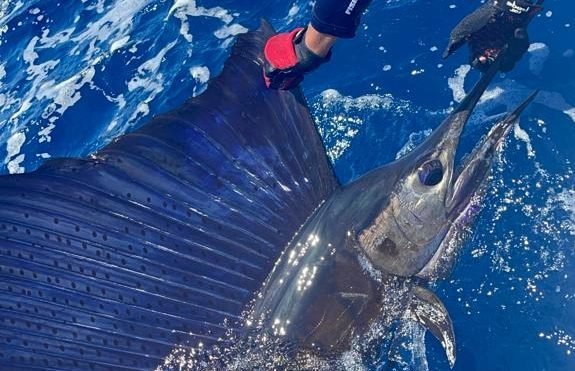
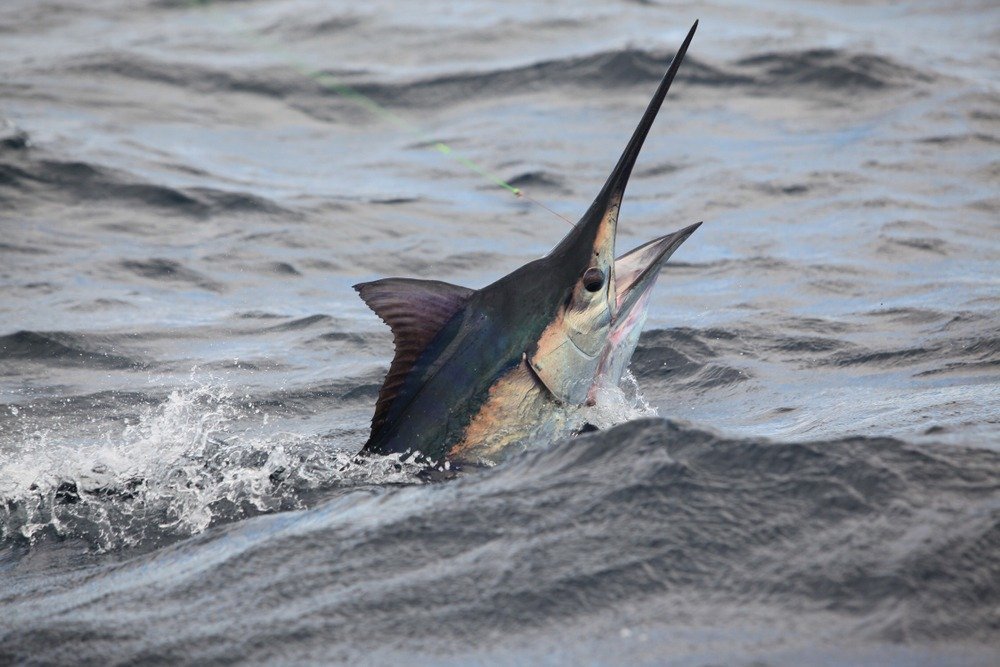
Bring a 299-pounder to the marina, and not only does it fail to score, but heavy penalty points are subtracted from your scorecard. That rule forces captains and mates to make split-second, nerve-wracking decisions on the wire. When a marlin breaches beside the transom, thrashing like an iridescent freight train, the crew must estimate its girth, length, and weight in seconds. Do they tag and release it to bank points in the Release Division, or do they haul it over the gunwales and bet millions of dollars on their judgment?
Astronomical Stakes: The Anatomy of an $11 Million Purse
What makes the Bisbee’s purse legendary isn’t external sponsor endorsements—it is the pari-mutuel added-entry jackpot system. While base entry sits around $5,000, teams that go “across the board” dive into daily jackpots ranging from $500 all the way to the notorious $20,000-a-day Chupacabra Challenge.
An all-in team can easily commit well into six figures before ever spooling a reel or filling the fuel tanks. That financial intensity is how the tournament routinely delivers life-changing payouts:
- The Record Highs: The 2022 tournament pushed the total payout beyond a staggering $11.6 million.
- The Single-Check Records: In 2023, Team Stella June walked away with a tournament-record single-team payout of over $3.9 million ($4.4 million combined tournament week earnings).
- Second Place Payday Paradox: Because payouts depend on which optional jackpots each team registers for, it’s not uncommon for a second-place marlin to win more money than the tournament’s heaviest fish—a drama seen in 2025 when Rising Sons/Magnifico took home roughly $2.58 million for a 457 lb blue marlin, edging out the first-place team’s payout on jackpot depth.
Over its history, Bisbee’s has minted dozens of million-dollar checks, turning everyday charter mates and competitive sportfishing crews into folklore heroes.
The Spectacle: Flare Guns, Roaring Diesels, and the Malecón Madness
The magic of Bisbee’s isn’t confined to the fishermen holding the heavy-tackle rods:
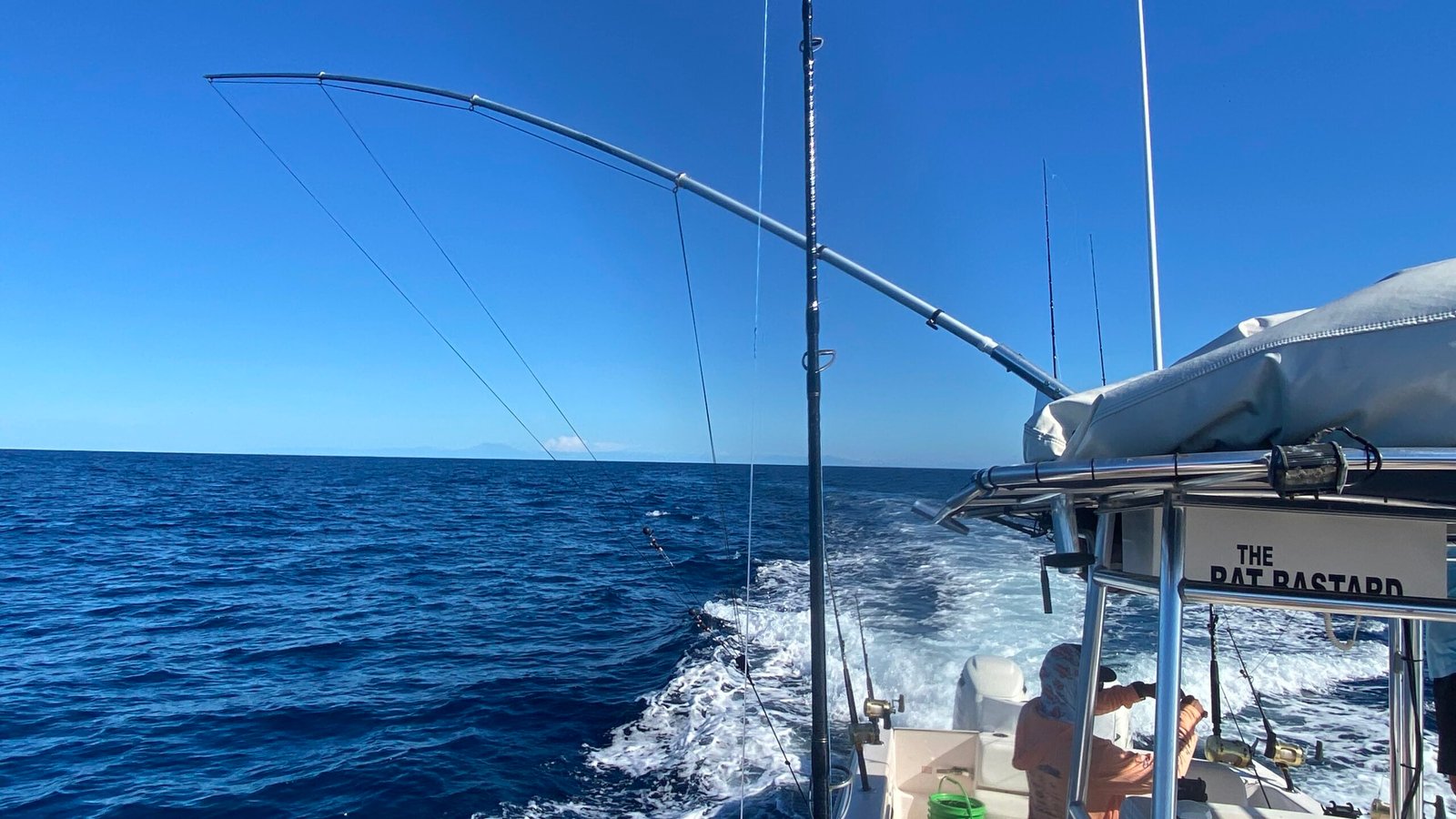
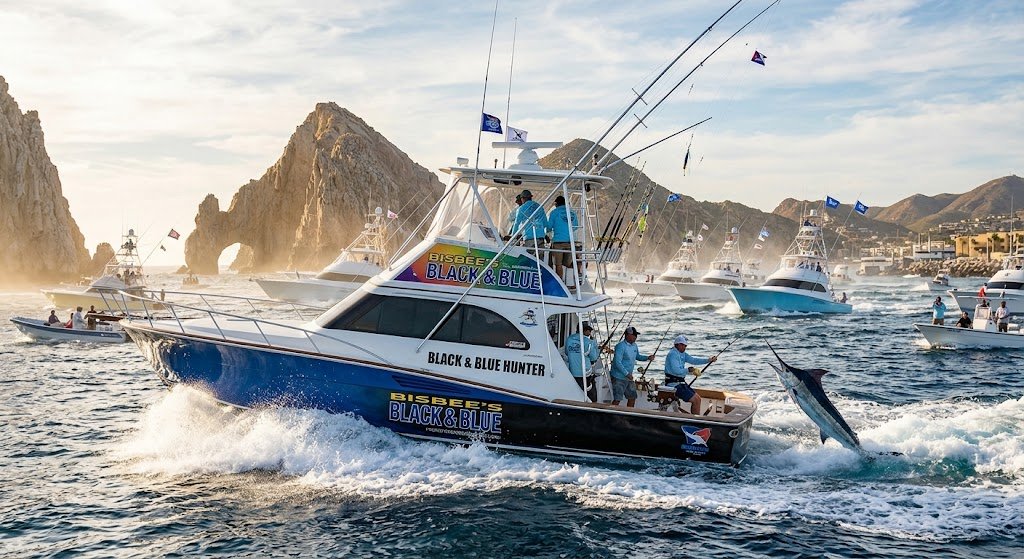
- The 7:00 AM Shotgun Start: As dawn breaks over Land’s End, more than 150 luxury sportfishers—from custom Merritt and Viking convertibles to lightning-fast center consoles—idle side-by-side in front of El Arco. When the official flare cracks across the sunrise sky, thousands of horsepower unleash at once, slicing the morning chop in a thunderous race toward Gordo Banks, Golden Gate, or the Finger Bank.
- The Weigh-In Theater: Come late afternoon, the Puerto Paraíso Mall promenade transforms into an open-air carnival. Thousands of spectators crowd the dock railings, cold Pacificos in hand, waiting for word over the VHF radio that a qualifying marlin is inbound.
- The Scale Drop: When a block-and-tackle hoists a massive blue marlin onto the digital scale, silence falls over the marina. As Wayne Bisbee calls out the official numbers over the loudspeaker, the boardwalk erupts into cheers, tears, and spray-topped champagne celebrations.
Pure Fishing Lore
Then there are stories like the 2014 “Casa Hogar” miracle, where a local Cabo orphanage, sponsored by an anonymous donor after Hurricane Odile devastated the region, reeled in the winning fish and poured hundreds of thousands of dollars directly into supporting local children.
Bisbee’s Black & Blue isn’t merely an offshore fishing tournament; it is a high-octane celebration of human spirit, blue-water grit, and the enduring lure of the open ocean. In Cabo San Lucas, beneath the desert sun and beside the Pacific swell, dreams truly can be made on a single strike.
Beyond the checks, Bisbee’s has forged some of sportfishing’s most enduring stories. There was Phil Gentile’s historic 1994 record—a staggering 993-pound blue marlin that missed the mythical “grander” mark by seven agonizing pounds and still stands as the tournament’s heavyweight champion.
We Will Be There
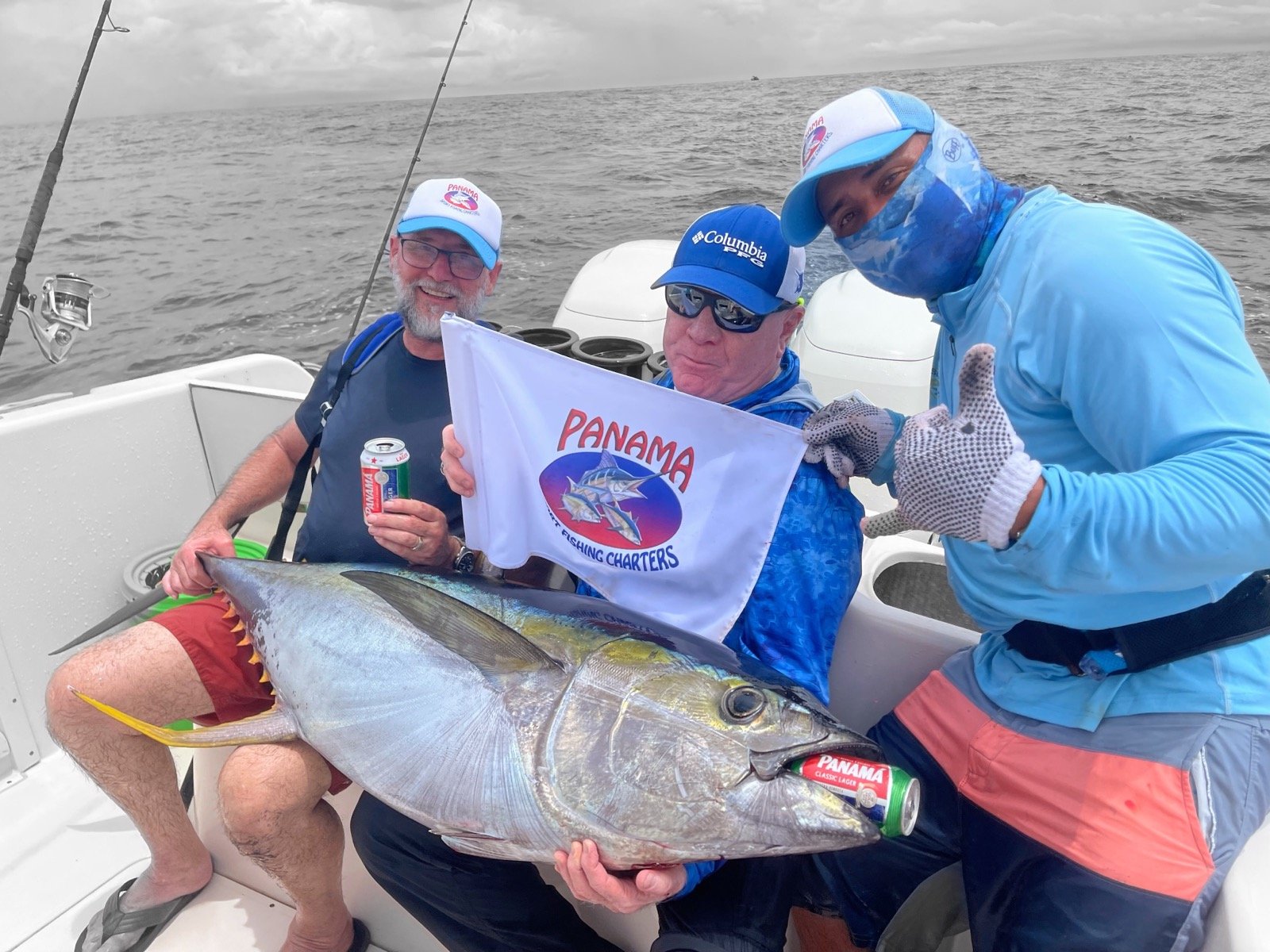
Panama Sport Fishing Charters will be attending this gala, so look for us as we will be handing out discount cards for our merch and charters!