
If you ask any seasoned offshore angler to name the ultimate bucket-list destination for big game, one region consistently tops the list: Panama’s breathtaking Gulf of Chiriquí. Located on the lush southwestern Pacific coast of Panama, this pristine marine expanse is widely celebrated as housing the finest sportfishing waters anywhere on the planet.
From its sheer volume of record-breaking pelagics to its breathtaking island scenery, the Gulf of Chiriquí delivers an unmatched fishing adventure that keeps anglers returning year after year.
1. Unique Underwater Topography & Ocean Currents
The true secret behind the Gulf of Chiriquí’s legendary fishing lies beneath the surface. The region is home to world-renowned bathymetric features like Hannibal Bank and Isla Montosa—dramatic underwater seamounts and canyons rising straight out of thousands of feet of deep water.
When deep Pacific currents hit these colossal underwater structures, they trigger a massive upwelling of nutrient-dense water. This upwelling feeds endless schools of baitfish, creating an explosive, year-round feeding frenzy for the ocean’s greatest apex predators.
2. The Ultimate Inshore and Offshore Double-Header
With over 100 tropical islands dotted throughout the archipelago, the diversity of fishing available here is unrivaled. Few places on Earth allow you to target offshore billfish in the morning and heavy-hitting structure dwellers in the afternoon:
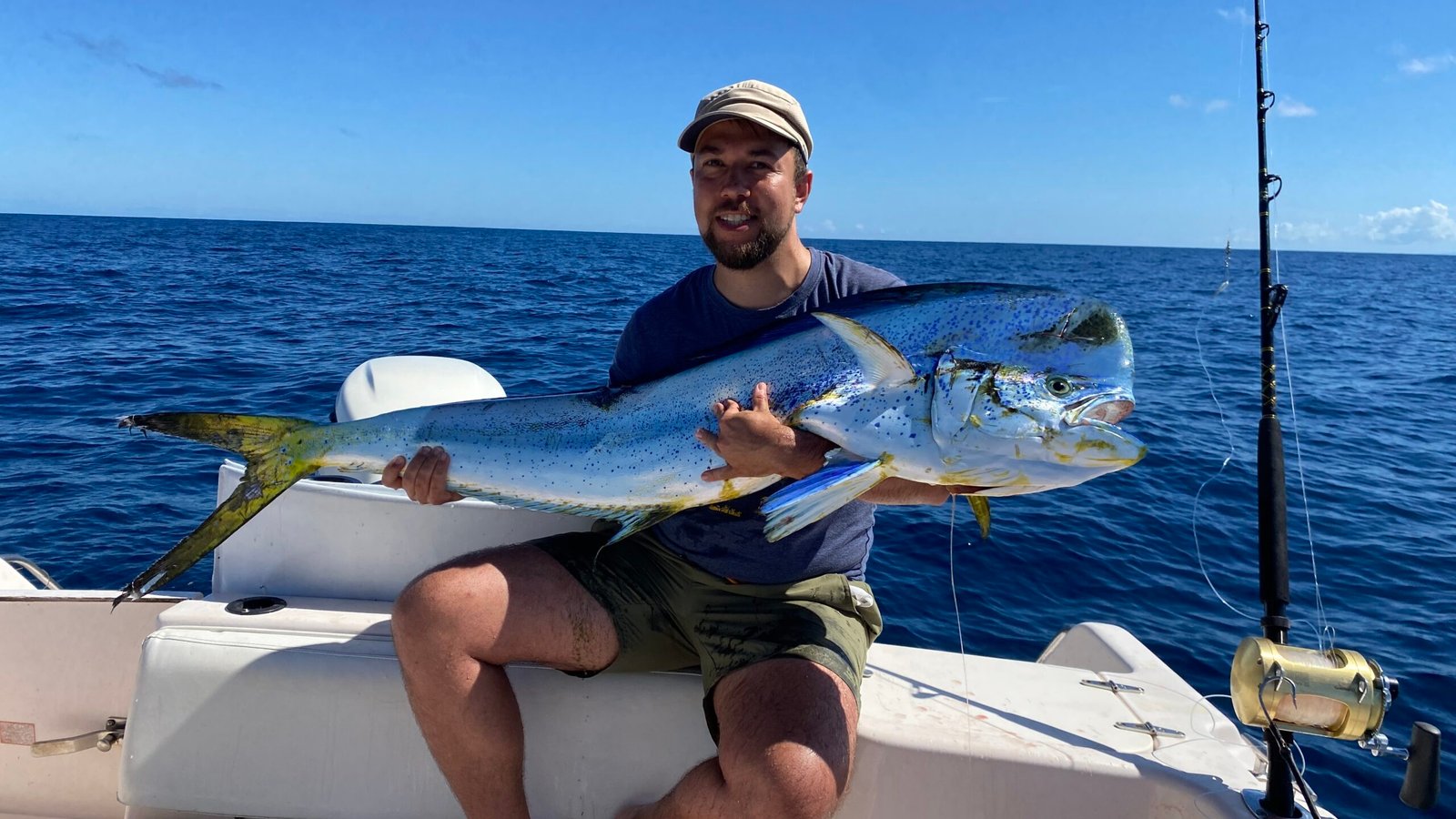
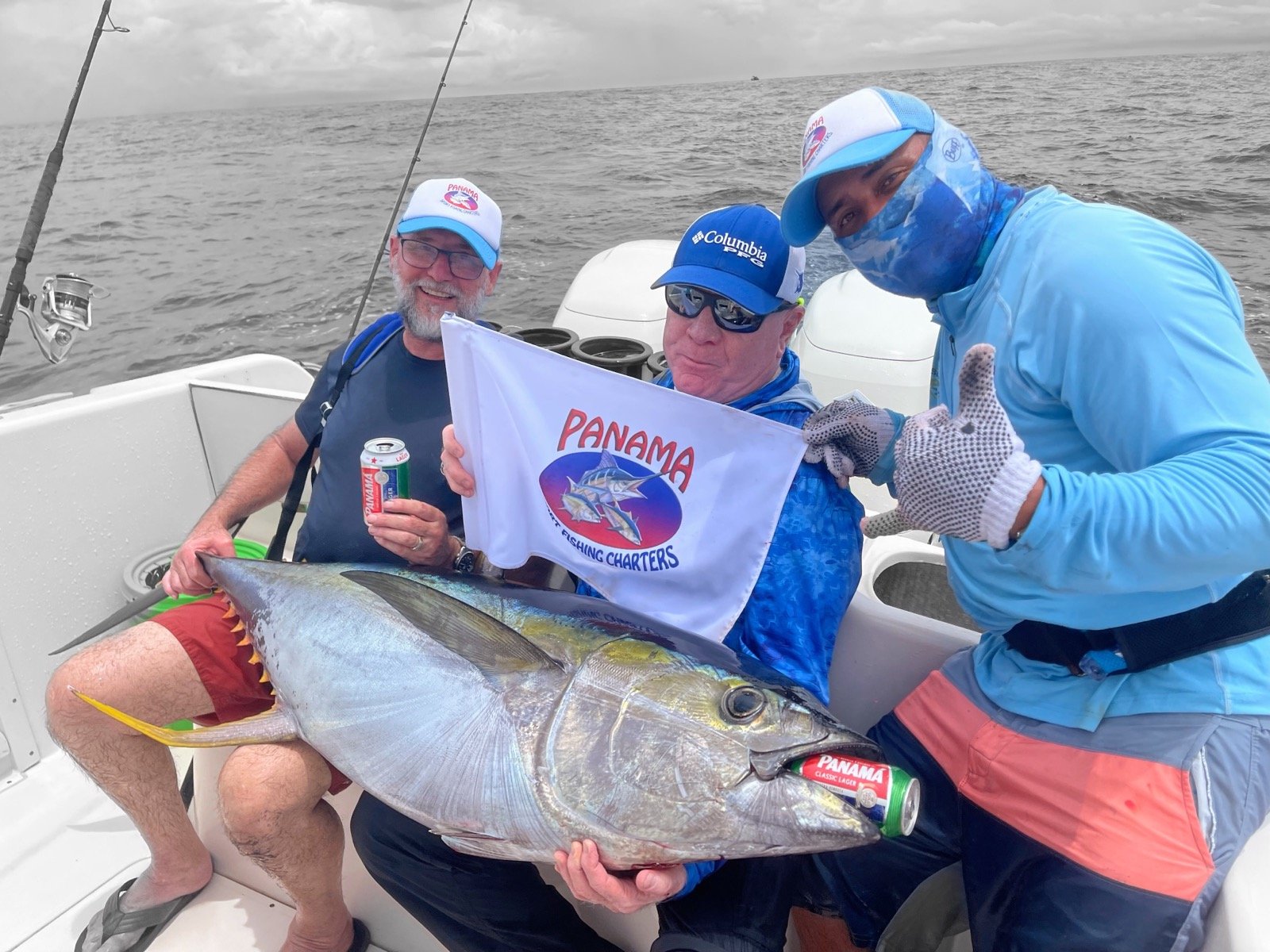
Offshore Targets: Monstrous Black Marlin, acrobatic Blue Marlin, Pacific Sailfish, Wahoo, Dorado (Mahi-Mahi), and giant “cow” Yellowfin Tuna over 200 pounds.
Inshore Monsters: Brutal Cubera Snapper, hard-charging Roosterfish, Mullet Snapper, Bluefin Trevally, and a wide variety of jacks and groupers patrolling the rocky reefs.
3. Experience Five-Star Luxury with Panama Sport Fishing Charters
Unlocking the full potential of these prolific waters requires local expertise and top-tier hospitality. Panama Sport Fishing Charters sets the gold standard for incredible fishing expeditions in the region.
Awesome Custom Packages: Whether you’re looking for an intense multi-day marlin hunt, a mixed-species adventure, or a tailored group charter, Panama Sport Fishing Charters offers a variety of awesome packages built around your specific goals.
World-Class Accommodations: After a grueling, high-octane day of pulling drag, unwind in five-star lodging centrally positioned in the gulf. Enjoy premium amenities, delicious local cuisine, and spectacular views while staying just minutes from the primary fishing grounds.
4. Hunt Down Gamefish Aboard “The Rat Bastard”
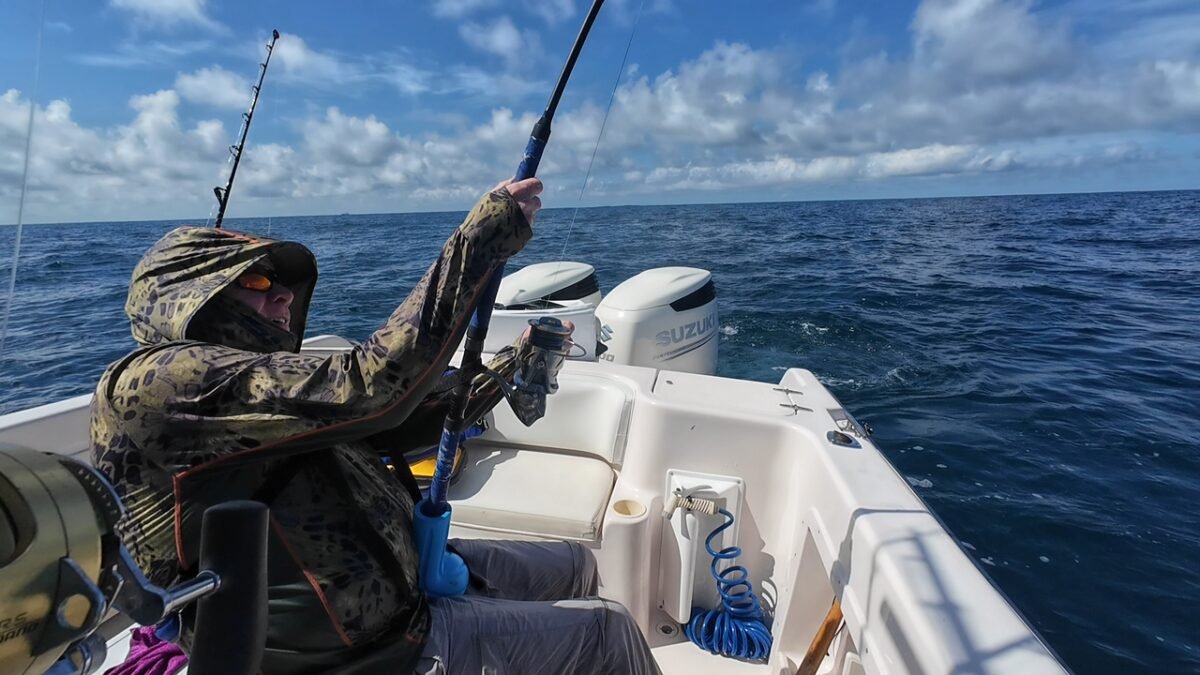
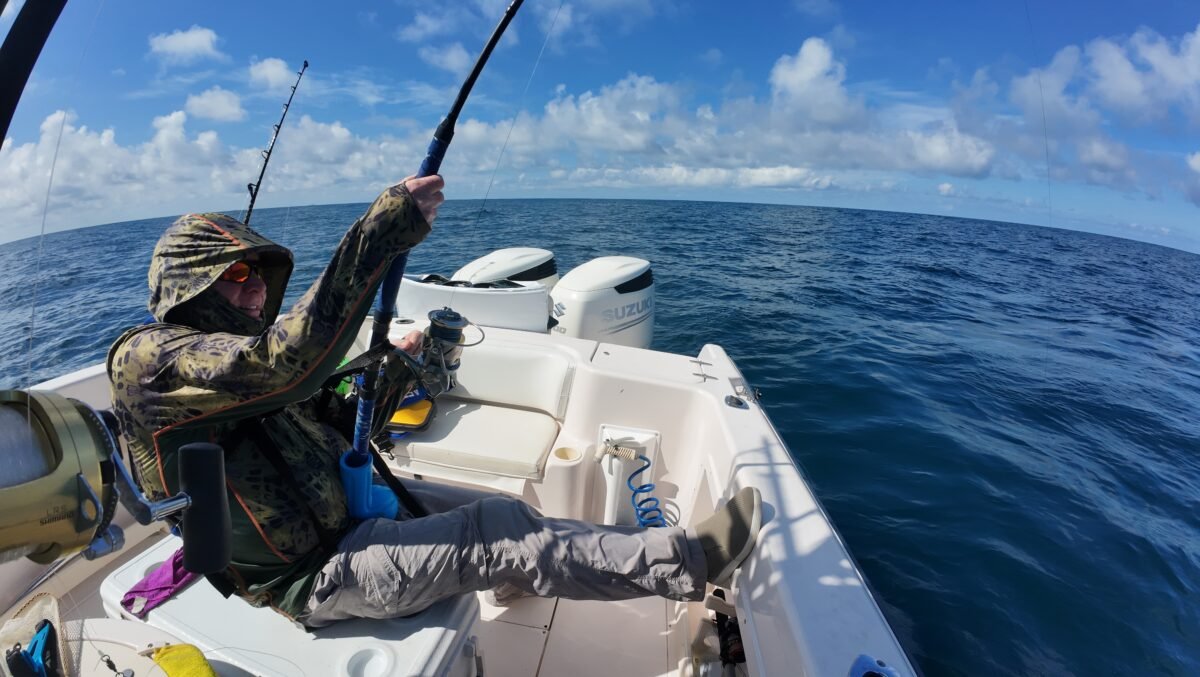
When it comes to tackling the Pacific swell and reaching the hotspots fast, vessel quality is everything. Guests fish aboard “The Rat Bastard,” a high-performance 28-foot Grady-White center console fishing vessel.
Known for its unmatched ride quality, stability, and speed, this 28-foot Grady-White is fully outfitted with state-of-the-art navigation electronics, top-of-the-line tackle, and an open center-console layout designed specifically for maximum fishing room when multiple rods bend at once. Combined with a professional, English-speaking crew that knows these waters like the back of their hand, you are set up for total success from the second you drop the lines.
Plan Your Expedition Today
If you are ready to experience the raw power of Panama’s Pacific fishery and land the catch of a lifetime, there is no better time to plan your trip.
Whether you’re gearing up for an expedition in the Gulf of Chiriquí or simply dreaming of the open ocean, few marine creatures capture the imagination quite like the billfish. They are the undeniable heavyweights of sport fishing—fast, acrobatic, and armed with a literal weapon on their face.
But as thrilling as it is to battle one of these titans, the true mark of a world-class angler today isn’t just making the catch; it’s ensuring the fish swims away to fight another day.
Here is a deep dive into what makes billfish so spectacular, and why catch-and-release is the lifeblood of modern sport fishing.
What Exactly is a Billfish?
Billfish are a group of highly migratory, predatory pelagic fish characterized by prominent, elongated rostrums (their “bills”). They use these bills not to spear their prey like a shish kebab, but to slash and stun smaller schooling fish and squid before sweeping back through to feed.
They are the apex predators of the open ocean, built for pure speed and endurance. The billfish family tree branches into a few distinct, iconic groups:
Marlin: The undisputed kings. This includes the massive Black Marlin and Blue Marlin (which can exceed 1,000 pounds, known as “granders”), as well as the acrobatic Striped and White Marlin.
Sailfish: Instantly recognizable by their massive dorsal fin (the sail) and incredible bursts of speed. They are widely considered one of the fastest fish in the ocean.
Swordfish: The deeper-dwelling, cold-water cousins with a longer, flatter, and sharper bill.
Spearfish: The smaller, more elusive, and often under-appreciated members of the family.
Fun Fact: Billfish are partially warm-blooded! They have specialized blood vessels that warm their brains and eyes, allowing them to hunt effectively in deep, cold water while processing visual information at lightning speed.
The Allure of the Chase
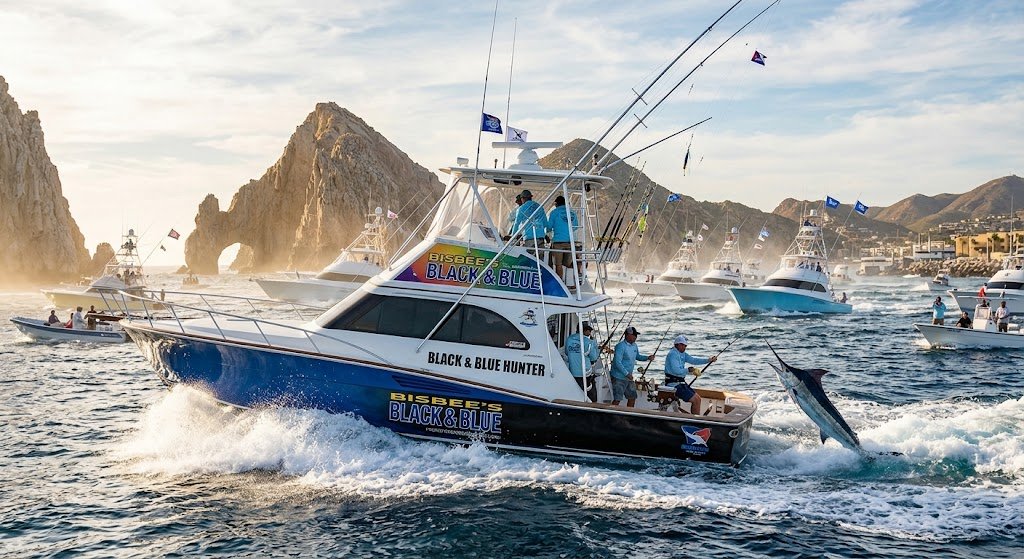
It’s easy to see why anglers travel across the globe to places like Hannibal Bank or the Zane Grey Reef to hunt these fish. Hooking a billfish is an experience in pure, unadulterated chaos. A hooked marlin or sailfish will often erupt from the water in spectacular, violent leaps, “tail-walking” across the surface while peeling hundreds of yards of line off a reel in seconds.
It is a test of strength, endurance, and technique. However, with this thrill comes a significant responsibility.
Why Catch-and-Release is Crucial
Historically, bringing a massive marlin back to the docks to hang on a scale was the ultimate status symbol. Today, science and conservation have shown us that a dead billfish is a profound loss—not just to the ecosystem, but to the very sport that celebrates them.
Here is why catch-and-release is absolutely vital:
1. Vulnerability to Overfishing
Despite their size, billfish populations are incredibly vulnerable. They are frequently caught as bycatch by commercial longline vessels targeting tuna and swordfish. Because they are apex predators, their populations are naturally smaller than the baitfish they feed on, and they take years to reach sexual maturity. Every breeding-age adult removed from the ocean is a massive blow to the future population.
2. Ecological Balance
As apex predators, billfish play a crucial role in maintaining the health of the marine ecosystem. They keep populations of other fish and squid in check, which cascades down to maintain a healthy balance throughout the oceanic food web. Removing them disrupts this delicate balance.
3. The Economics of Eco-Tourism
A dead marlin has a one-time value, often sold for pennies on the pound in commercial markets. An alive marlin, however, is an economic engine. Sport fishing charters, lodges, local crews, tackle shops, and coastal communities thrive on the promise of healthy billfish populations. A single marlin can be caught and released multiple times over its lifespan, continually driving tourism dollars into local economies without depleting the resource.
Best Practices for a Successful Release
Releasing a billfish isn’t just about cutting the line; it’s about ensuring the fish survives the trauma of the fight. Responsible charters employ strict handling protocols:
Use Circle Hooks: Unlike traditional J-hooks, which can be swallowed and cause fatal internal damage, circle hooks are designed to slide out of the fish’s throat and catch cleanly in the corner of the jaw.
Keep Them in the Water: A billfish’s skeleton is designed to be supported by water. Dragging them onto the deck for a photo op causes severe internal crushing and removes their protective slime coat.
Keep the Fight Short: Prolonged fights build up lethal levels of lactic acid in the fish’s muscles. Using appropriately heavy tackle ensures the fish is brought to the boat swiftly.
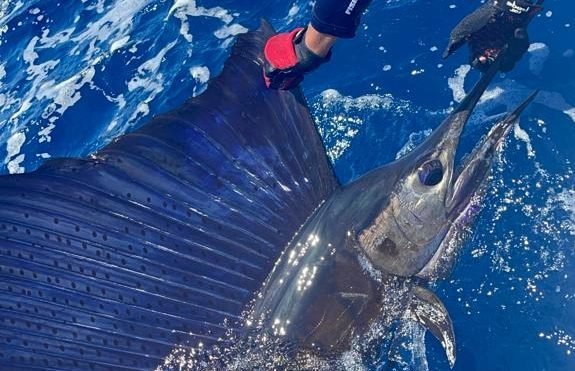
Revive Before Release: A good mate will hold the billfish by the bill (with gloves) alongside the slowly moving boat, allowing oxygen-rich water to flow over its gills until the fish regains its color and aggressively swims off on its own.
By respecting these magnificent creatures and championing catch-and-release, anglers ensure that the thrill of a screaming reel and a tail-walking marlin remains a reality for generations to come.
The Gulf of Chiriquí, nestled along western Panama’s pristine Pacific coast, is universally recognized as an elite arena for sport fishing. Fed by the nutrient-dense upwellings of the Humboldt Current, its unique underwater topography—characterized by dramatic volcanic drop-offs, jagged pinnacles, and a maze of lush islands—creates a thriving marine superhighway.
When you book an expedition with Panama Sport Fishing Charters, you aren’t just embarking on a generic boat ride; you are gaining access to two entirely distinct underwater realms: Inshore and Offshore fishing.
While both environments offer world-class adrenaline rushes, they demand entirely different tactics, gear, and mental approaches. Here is the definitive breakdown to help you discover which blue-water adventure perfectly aligns with your angling dreams.
1. Offshore Fishing: Chasing Monsters of the Deep
Offshore fishing (often called deep-sea fishing) takes you far past the horizon—typically 12 to 30+ miles away from the coast—into the boundless, cobalt-blue expanse of the open ocean. Out here, you leave the paved world behind and step directly into a living wildlife documentary where prehistoric apex predators hunt exactly as they have for millennia.
In the Gulf of Chiriquí, offshore angling centers around legendary, coordinates-based hot spots like the Hannibal Bank and Isla Montuosa. These massive underwater seamounts rise abruptly from thousands of feet deep to within just 120 feet of the surface, acting as giant natural magnets for pelagic baitfish and the titans that stalk them.
The Prize Pelagic Species
Black & Blue Marlin: The undisputed gladiators of the ocean. The Gulf of Chiriquí is one of the few places on Earth where you can target massive Black Marlin year-round. While Black Marlin are famous for their immense mass and stubborn deep-water dives, Blue Marlin deliver explosive, greyhounding aerial acrobatics.
Yellowfin Tuna: Locally known as “Yellow Gold,” these torpedoes of solid muscle regularly exceed 200 to 300 pounds here. Battling a massive “cow” Tuna is a grueling, vertical tug-of-war that tests your absolute physical limits.
Pacific Sailfish: Celebrated for their magnificent dorsal sails and blazing speed, they frequently leap completely clear of the water to shake a hook.
Dorado (Mahi-Mahi) & Wahoo: Dorado add neon flashes of gold and green to the spread, while Wahoo act as the drag-stripping speedsters of the ocean, often exceeding 50 mph on their initial runs.
Elite Offshore Tactics & Gear
Offshore fishing is a game of patience, heavy tackle, and sudden, absolute chaos. At Panama Sport Fishing Charters, our rugged Grady-White vessels are armed to the teeth with premium gear designed to withstand brutal ocean friction:
The “Panama Style” Spread: Bridling live natural bait (like bonito or cojinúa) with circle hooks and slowly trolling them over deep seamounts is the deadliest method for tempting a grander Marlin.
Topwater Popping & Jigging: Flinging massive wooden poppers into a churning surface frenzy of feeding Yellowfin Tuna triggers some of the most visual, heart-stopping surface explosions imaginable.
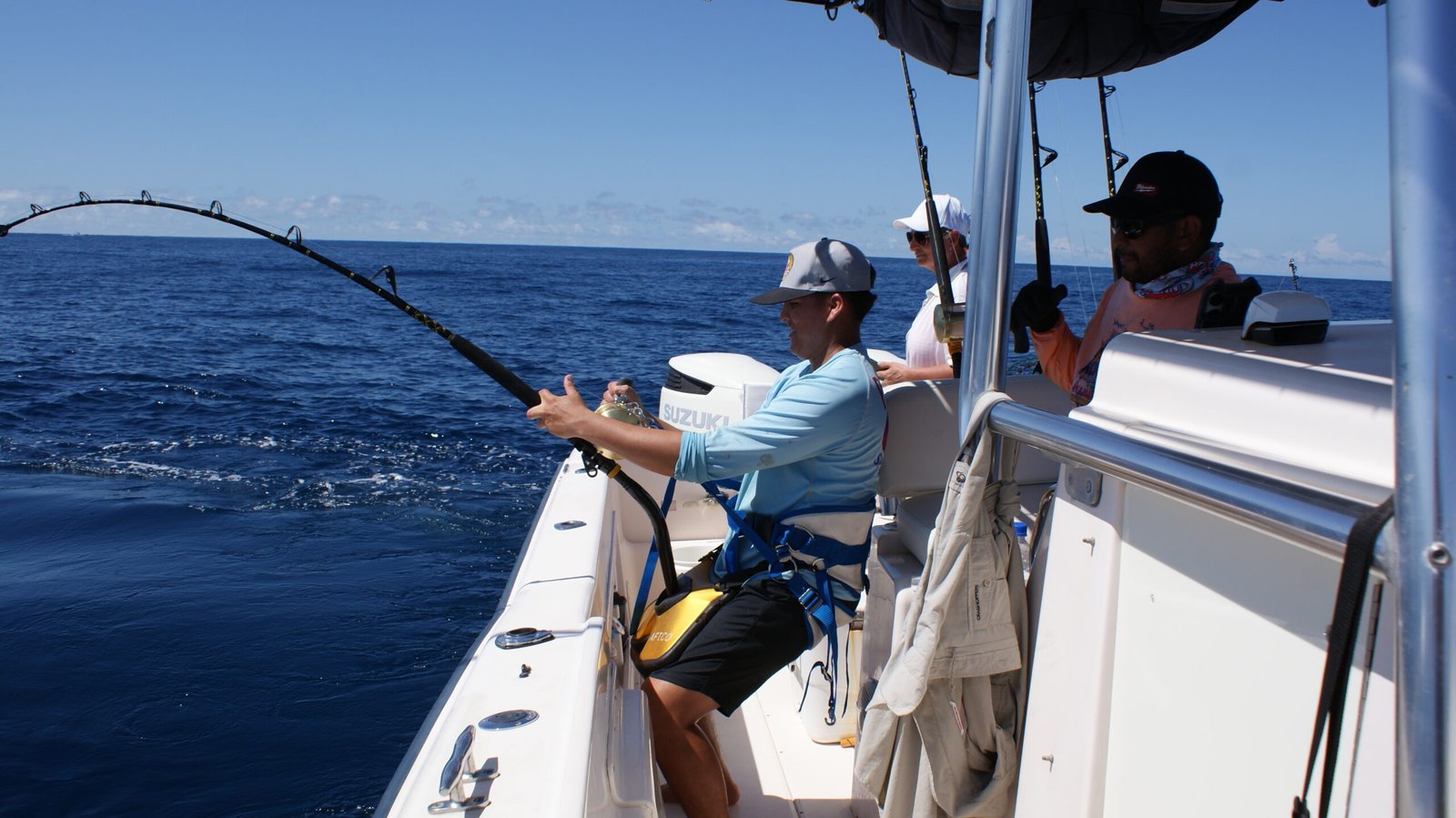
Heavy-Duty Tackle: These setups feature 50-to-80-pound class custom rods with full AFTCO roller guides to minimize line friction, paired with dual-speed lever drag conventional reels (like Shimano Tiagra or Penn International) to provide massive cranking power when a fish sounds.
2. Inshore Fishing: Tactical Battles Around the Islands
If offshore fishing is a game of patience and brute force, inshore fishing is a fast-paced game of precision, stealth, and lightning-fast reflexes. Inshore fishing takes place relatively close to land, targeting the rocky coastlines, shallow reefs, river mouths, and volcanic island groups that make up the Chiriquí National Marine Park (such as Isla Ladrones or the Secas Islands).
Because you are surrounded by scenic jungle backdrops and protected by island chains, the waters are generally calmer. This makes inshore fishing highly interactive, visually stunning, and an excellent option for families or those prone to seasickness.
The Prize Structure Species
Roosterfish: Famous for their iconic comb-like “mohawk” dorsal fin, these fish are pure, unyielding muscle. They roam the wild surf zones and shallow reefs, delivering relentless, stubborn fights.
Cubera Snapper: The undisputed heavyweight champion of the reef. These massive, crimson-colored predators can exceed 50–60 pounds and possess terrifying jaw pressure. The moment a Cubera hits, its single goal is to dive straight back into a jagged volcanic cave to break your line.
Bluefin Trevally & Jacks: Wildly aggressive and strikingly beautiful, these fish sprint from the shallows to smash surface lures with terrifying speed.
Tactical Inshore Tactics & Gear
Inshore fishing keeps you constantly active, demanding pinpoint casting accuracy against structures rather than passive trolling.
Shoreline Casting: Anglers utilize medium-to-heavy spinning setups (4000 to 6000 class reels like Shimano Stella) to cast surface poppers and walk-the-dog stickbaits directly against bubbling wash zones and boiler rocks. Watching a monster Roosterfish track your lure in the clear water will make your heart skip a beat.
Abrasion-Resistant Rigging: Because the jagged volcanic rock structures of the Gulf will slice through braided line instantly, the crew rigs setups with long, nearly invisible fluorocarbon leaders (100-to-150-pound test) to ensure maximum abrasion resistance when a snapper tries to rock you.
Vertical Jigging: Dropping heavy, narrow metal butterfly jigs down along deep pinnacle edges and utilizing a rhythmic, high-speed jerking motion to entice aggressive strikes from deep-dwelling Almaco Jacks and Groupers.
At-A-Glance Comparison: Inshore vs. Offshore
Feature
Inshore Fishing
Offshore Fishing
Location
Shallow reefs, rocky points, and island coastlines
Heavy-duty conventional 2-speed reels and heavy popping rods
The Ultimate Conservation Standard: Guarding the Gulf
Whether hunting the open ocean or tracking the shallow reefs, sustainability sits at the core of the operations at Panama Sport Fishing Charters. Panama legally protects its waters by banning commercial longlining and industrial purse-seine vessels within specific marine sanctuaries.
To support this, our captains enforce a strict, passionate culture of Catch and Release for all billfish (Marlin and Sailfish) as well as resident inshore icons like the slow-growing Cubera Snapper and Roosterfish.
By utilizing mandatory circle hooks (which safely catch in the corner of the mouth), avoiding pulling massive fish over the gunwales where gravity can damage their organs, and performing in-water resuscitation, we guarantee these living legends swim away strong. Meanwhile, highly prolific, fast-growing food fish like Yellowfin Tuna, Dorado, and Wahoo are managed under sustainable harvest principles—meaning you can still look forward to a world-class, fresh sashimi or ceviche feast back at the dock!
Experience the Best of Both Worlds
Can’t decide which adventure is right for you? The true magic of the Gulf of Chiriquí is that you don’t always have to choose. Because our deep-water seamounts rise up relatively close to our coastal island chains, it is entirely possible to target world-record Roosterfish against a rocky shoreline in the morning, and find yourself strapped into a fighting harness battling a 400-pound Black Marlin by the afternoon.
Backed by licensed, local captains who possess decades of generational maritime wisdom, Panama Sport Fishing Charters eliminates the guesswork. Pack your sunscreen, bring your determination, and get ready for the fishing trip of a lifetime!
There is a moment out on the water that every angler chases. The rod bends completely in half, the drag screams like a jet engine, and suddenly, a massive Black Marlin erupts from the cobalt blue waters of the Pacific. It is a scene of raw, untamed power.
At Panama Sport Fishing Charters, we live for that exact moment. The Gulf of Chiriqui—with its legendary underwater structures like Hannibal Bank and Isla Montuosa—is one of the few places left on Earth where you can consistently experience world-class big game fishing. But with that incredible privilege comes a profound responsibility.
When I first spent four years living up in the cooler mountain air of Boquete, surrounded by Panama’s lush, vibrant natural beauty, I realized just how deeply interconnected this country’s ecosystems truly are—from the high cloud forests straight down to the Pacific coast. That deep respect for Panama’s natural resources is woven into the very fabric of our charter operations. It is exactly why we are fiercely dedicated to a strict Catch and Release program for all billfish and non-edible apex predators.
Here is why leaving these magnificent creatures in the ocean is the most important part of our mission.
1. Protecting the Balance of the Gulf
The Gulf of Chiriqui is a marine superhighway, fed by the nutrient-rich waters of the Humboldt Current. This unique bathymetry creates a thriving food chain, starting with immense baitballs and ending with the apex predators: Marlin and Sailfish.
These top-tier predators are crucial for keeping the local marine ecosystem healthy and balanced. They cull the weak and control the populations of smaller species. When an apex predator is removed from a reef or a seamount, the ripple effects can devastate the local biodiversity. By releasing billfish, we ensure the Gulf of Chiriqui remains a thriving, self-sustaining fishery rather than a depleted one.
2. A Generational Legacy
For those of us blessed with grown children and the immense joy of being grandfathers, the concept of legacy takes on a whole new meaning. We aren’t just fishing for ourselves today; we are acting as stewards of the ocean for the next generation.
We want to guarantee that twenty or thirty years from now, our children and grandchildren can ride out to Montuosa and experience the exact same adrenaline rush of battling a 500-pound Yellowfin or a majestic Blue Marlin. A Catch and Release program is our insurance policy for the future of the sport. It ensures that the “village” we are building today will still be vibrant and full of life for the anglers of tomorrow.
3. The True Value of a Living Legend
An old saying in the sport fishing community rings truer today than ever: A dead marlin is only valuable once, but a live marlin is invaluable for a lifetime. The global and local economy heavily relies on eco-tourism and sustainable sport fishing. Anglers travel from all corners of the globe to Panama for the chance to cross swords with these giants. When we release a billfish to fight another day, we are sustaining the livelihoods of local captains, mates, dockworkers, and hospitality staff who depend on a thriving ocean.
4. The Art of the Release
Our commitment to conservation doesn’t just mean throwing a fish back; it dictates exactly how we rig, fight, and handle our catch at Panama Sport Fishing Charters:
Circle Hooks: We utilize inline circle hooks when fishing with live bait. These hooks are specifically designed to catch in the corner of the fish’s mouth, nearly eliminating the risk of deep-hooking or internal injuries.
Keeping Them in the Water: A massive billfish is not anatomically designed to be hauled over a gunwale; pulling them out of the water can cause severe organ damage. Our experienced crew works diligently to safely leader the fish, carefully remove the hook, and take incredible photos of your catch while the fish remains safely in the water.
The Revival: The fight takes a lot out of a fish. Our captains will always take the time to slowly bump the boat forward, pushing oxygen-rich water over the fish’s gills until its colors light up and it kicks away with tremendous force.
The Ultimate Trophy
The era of hanging a dead marlin upside down at the docks for a single photograph is long gone. Today, the ultimate trophy is the memory of the battle, the high-definition video of the jump, and the profound satisfaction of watching a 600-pound sea monster swim powerfully back into the deep blue depths.
When you book an adventure with Panama Sport Fishing Charters, you aren’t just signing up for the fishing trip of a lifetime. You are joining a community of anglers who believe that the greatest respect you can show your opponent is letting them live to fight another day.
The Non-Negotiables of a Deep-Sea Sport Fishing Adventure
There is nothing quite like the thrill of offshore sport fishing. The anticipation as you cruise out past the breakers, the sound of the reels screaming when a massive yellowfin tuna or black marlin strikes, and the pure adrenaline of the fight—it is an experience that stays with you for a lifetime.
But the very thing that makes deep-sea fishing so exhilarating—the raw, unpredictable power of the open ocean—is exactly why safety can never be an afterthought. When you are miles away from the coast, the ocean doesn’t care about your weekend plans. A great fishing trip isn’t just defined by what you bring back to the dock; it’s defined by making sure everyone onboard returns safely.
Whether you are a seasoned angler or stepping onto a charter boat for the very first time, understanding the “why” behind marine safety is what separates a world-class adventure from a preventable disaster. Here is a deep dive into why specialized safety equipment, a rock-solid communication system, and absolute respect for your crew are the true essentials of any successful sport fishing trip.
1. The Right Gear Saves Lives (And It’s Not Just About Life Jackets)
When people think of boat safety, they immediately picture those bulky orange life jackets stuffed under a bench. While Personal Flotation Devices (PFDs) are the baseline of survival, a true offshore vessel is outfitted with a sophisticated arsenal of gear designed for worst-case scenarios.
Out in the deep ocean, conditions can shift in a heartbeat. If an emergency occurs, you need specialized, high-grade equipment ready for immediate deployment:
Type I Offshore Life Jackets: Unlike standard lake vests, offshore life jackets are highly visible, heavily buoyant, and designed to turn an unconscious person face-up in rough, rolling seas.
EPIRBs (Emergency Position Indicating Radio Beacons): If the unthinkable happens and a vessel goes down, an EPIRB is your ultimate lifeline. Once submerged or manually activated, this device broadcasts a continuous distress signal directly to a global satellite network, pinpointing your exact coordinates for search and rescue teams.
Commercial-Grade Life Rafts: Deep-sea charters carry heavy-duty, self-inflating life rafts equipped with survival rations, flares, and shelter. In cold or rough waters, staying out of the elements is the single most critical factor in surviving until help arrives.
Visual Distress Signals & First Aid: From high-intensity parachute flares to fully stocked trauma kits, having the right gear to signal for help and treat hook injuries or sudden medical emergencies on deck is vital when hospitals are hours away.
2. The Captain’s Word is Law: Trusting Your Crew
A sport fishing boat isn’t a democracy; it’s a finely tuned operation run by professionals who have spent thousands of hours navigating the local waters. When you step onto a charter, you are placing your life in the hands of the captain and the first mate.
Obeying the crew’s instructions instantly and without debate isn’t just about etiquette—it’s a core safety requirement.
Real-Time Hazard Awareness
While you are scanning the horizon for birds or watching the trolling lines, the captain is constantly monitoring the radar, looking at changing swell patterns, tracking engine performance, and watching the skies. If the captain suddenly tells everyone to sit down, clear the deck, or move to a specific part of the boat, it’s because they see a hazard you don’t.
Managing a High-Octane Environment
The deck of a sport fishing boat during a hookup is a chaotic environment. Heavy rods, flying hooks, razor-sharp gaffs, and massive, powerful fish thrashing on the deck create a literal minefield. The mate’s job is to choreograph this chaos. If they tell you to stand back, hold a specific rail, or let go of a line, you must do it immediately. A split-second delay can mean a hook through the hand, a snapped line under extreme tension, or falling overboard.
3. The Ship-to-Shore Radio: The Ultimate Lifeline
In an era where everyone has a smartphone in their pocket, it’s easy to get complacent about communication. But twenty miles out at sea, cell towers disappear, and your phone becomes nothing more than a camera. This is where a high-quality, properly installed VHF Ship-to-Shore Radio becomes the most important piece of electronics on the boat.
A robust marine radio system is critical for several undeniable reasons:
The Channel 16 Lifeline: Channel 16 is the international distress, safety, and calling frequency. It is continuously monitored by the Coast Guard, local authorities, and every other commercial and recreational vessel in your vicinity. If you need help, a VHF broadcast ensures that anyone within radio range can hear you and come to your aid.
Vessel-to-Vessel Network: Offshore captains form a tight-knit community. They constantly communicate via radio to share real-time updates on sudden weather changes, hidden navigation hazards, and, of course, where the fish are biting.
Digital Selective Calling (DSC): Modern fixed-mount VHF radios are equipped with DSC. When linked to the boat’s GPS, pressing the red “Distress” button automatically broadcasts an automated emergency signal containing the vessel’s identity and exact coordinates to rescue agencies and nearby ships, even if the crew is incapacitated.
Safety is the Foundation of the Thrill
Investing in top-tier safety gear, maintaining flawless communication systems, and respecting the authority of an experienced captain doesn’t take away from the adventure—it’s what makes the adventure possible.
When you know the boat is solid, the gear is ready, and the crew is prepared for anything the ocean can throw at them, you can truly focus on what you came for: the pure, unadulterated joy of chasing the biggest fish in the sea.
Before you head out on your next offshore run, take a five-minute pause. Ask your captain to walk you through the safety gear, check the radio, and commit to working as a team. Tight lines, and stay safe out there!
There is a moment in deep sea fishing where time simply stops. The steady roar of the diesel engines fades into background static. The tropical sun beating down on the Pacific Ocean loses its heat. Your entire universe narrows down to a single, electric sound: the screaming drag of a Penn International reel.
If you have ever dreamed of a true saltwater battle, the kind that leaves your muscles aching and your heart pounding, there is one destination that belongs at the top of your bucket list. The Gulf of Chiriqui in Panama is a legendary marine playground, and finding yourself on a vessel with Panama Sport Fishing Charters is how you turn those offshore dreams into a reality.
Entering the Lost World of Coiba and Beyond
Leaving the marina in the early morning fog feels like entering a different era. The Gulf of Chiriqui is defined by its dramatic volcanic islands, dense jungle coastlines, and sudden deep-water drop-offs. As the boat cuts through the glass-calm waters toward Hannibal Bank or the rugged shores of Coiba Island, the anticipation on board is thick enough to cut with a knife.
This region is famous because it acts as a massive magnet for pelagic predators. Nutrient-rich currents collide with underwater mountains, pushing baitfish to the surface and drawing in the titans of the ocean. Black marlin, massive yellowfin tuna, aggressive cubera snapper, and acrobatic sailfish patrol these waters.
The Strike: When the Ocean Explodes
The magic of deep sea fishing is the sudden shift from peaceful trolling to absolute chaos. One second, you are watching the live bait swim patterns or tracking the wake of a surface lure. The next, the water ruptures.
When a giant yellowfin tuna or a massive billfish hits, it doesn’t nibble. It strikes with the force of a freight train. The rod doubles over, burying its tip into the foam, and the line zips off the spool at fifty miles an hour.
Your captain yells from the flybridge. The deckhands spring into action with synchronized precision, clearing the other lines and strapping you into the fighting belt. In that single instant, the adrenaline rush is absolute. You are connected to a wild, raw force of nature by nothing more than a thin strand of monofilament.
The Battle: A Test of Will
Landing a giant fish in the Gulf of Chiriqui is not a game of leisure; it is a full-body workout and a mental chess match. A hundred-pound yellowfin will dive straight down into the dark trenches, using its football-shaped body to catch the current. A marlin will do the opposite, launching its massive body into the air in a series of breathtaking, tail-walking leaps that challenge you to keep the line tight.
Every inch of line you gain is a victory. You pump the rod up, leaning your weight back, and wind down quickly on the reel. Your forearms burn. Your lower back protests. But the sheer joy of the struggle pushes you forward.
The crew of Panama Sport Fishing Charters makes all the difference during this grueling tug-of-war. Their calm expertise guides you through the fight. They read the angle of the line, maneuver the boat to give you the advantage, and coach your rhythm. It is a team sport, played out in the middle of the deep blue.
The Moment of Triumph
Then, the color appears. Looking down into the crystal-clear Pacific water, you catch the first glimpse of your prize. The iridescent blues and bright yellows of a massive tuna, or the unmistakable purple stripes of a billfish, shimmer just below the surface.
With one final, exhausting effort, the fish is brought alongside the boat. The deckhand secures the leader.
The collective roar of celebration from everyone on board is a feeling that cannot be replicated. You have just gone toe-to-toe with one of the strongest creatures on the planet and won. Whether you are snapping a quick photo next to a massive, prehistoric cubera snapper before a careful release, or watching a trophy billfish swim strongly back into the depths, the sense of accomplishment is overwhelming.
Why the Gulf of Chiriqui Stays With You
Long after you return to the docks, wash the salt from your skin, and enjoy a fresh ceviche dinner, the memories of the Gulf remain vivid. You will still feel the phantom pull of the rod in your hands when you close your eyes.
The Gulf of Chiriqui provides the raw ingredients—the structure, the bait, and the apex predators—but Panama Sport Fishing Charters provides the gateway. It is an adventure that tests your limits, rewards your patience, and delivers the pure, unadulterated joy of the catch.
Why an Experienced Captain and Crew Make or Break Your Gulf of Chiriqui Charter
The Gulf of Chiriqui, stretching along western Panama’s Pacific coast, is a realm of giants. Beneath its cobalt waves lie some of the most prolific big-game fishing grounds on the planet. Legendary coordinates like the Hannibal Bank, Isla Montuosa, and the jagged pinnacles around Isla Ladrones feature a dramatic undersea bathymetry where massive underwater sea mounts and sharp volcanic drop-offs collide with the nutrient-rich currents of the Humboldt Current.
Because of this unique underwater landscape, it is common to witness massive schools of Yellowfin Tuna churning the surface into a frenzy or a prehistoric Black Marlin exploding through the bait balls.
But a world-class fishery is only half the equation. The ocean is a vast, dynamic, and unforgiving wilderness. You can possess the finest boat and the most expensive tackle money can buy, but without the right leadership at the helm, you are just taking a very expensive boat ride.
When you book an offshore expedition with Panama Sport Fishing Charters, you aren’t just renting a vessel; you are gaining access to decades of hard-earned maritime wisdom. Here is a deep dive into why an experienced captain and crew are the absolute foundation of a successful, safe, and legendary deep-sea sport fishing adventure.
1. Cracking the Code: The Art of Reading the Ocean
An experienced captain doesn’t rely on luck; they rely on a lifetime of observation, local knowledge, and an intimate understanding of marine ecosystems. The Gulf of Chiriqui is miles of complex rocky coastlines, islands, and offshore banks. Knowing exactly where to be and when is an art form.
Decoding Bathymetry and Currents: True offshore captains understand how tidal movements push up against the underwater pinnacles of Hannibal Bank. They know how to position the boat so your baits drift naturally through the thermal columns where apex predators wait to ambush their prey.
Tracking Nature’s Breadcrumbs: A veteran crew sees the ocean differently than an amateur. They don’t just look at the water; they scan the horizon for a single diving frigatebird, track the subtle color shifts that indicate a clean temperature break, or spot the minor ripple of a bait school moving half a mile away.
Adapting in Real Time: If the bite dies down at Montuosa, a novice guide might panic or blindly troll in circles. An experienced captain draws on decades of patterns, instantly pivoting to a different technique—switching from artificial lures to slow-trolling live blue runners, or moving to a specific deep-water ridge where the bite is likely to turn on with the changing tide.
2. Live Bait Management and the Technical Spread
Getting a 400-pound marlin or a massive tuna to strike requires a flawless presentation. This is where the synergy between a seasoned captain and an elite first mate becomes a masterclass in efficiency.
The Hunt Before the Hunt: To catch big fish, you need the right live bait. An experienced crew knows exactly which structures hold the best baitfish in the morning, how to catch them efficiently, and—crucially—how to keep them healthy and strong in the live wells. A sluggish, dying bait will be ignored by a trophy predator.
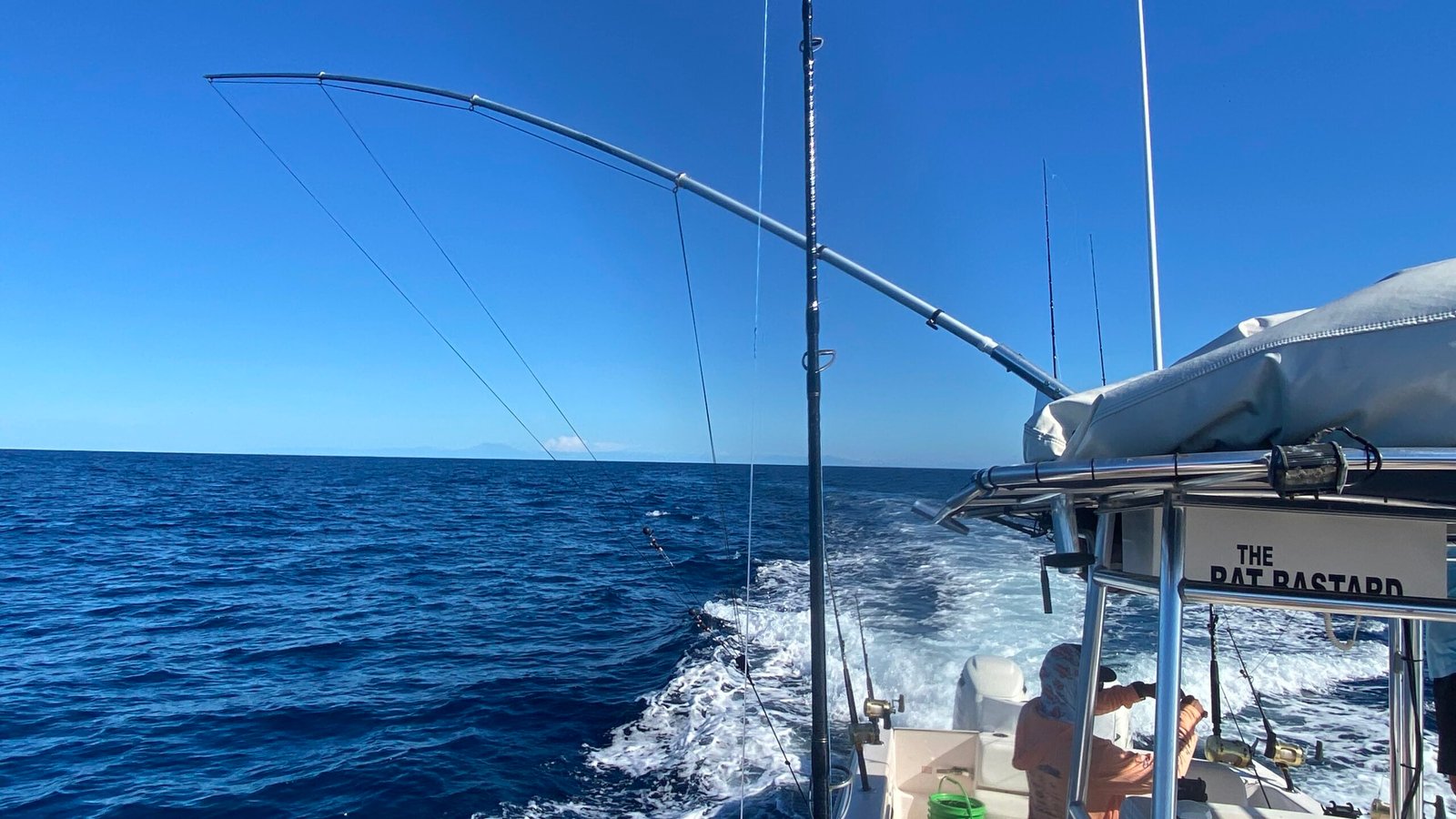
Managing the Choreography: When trolling, the crew deploys a precise, multi-line spread using outriggers to keep lines from tangling. They adjust the distance and depth of each lure or live bait to create the illusion of a panicked school of fish swimming behind the boat.
The Split-Second Tease: When a billfish enters the spread, the first mate’s experience is put to the ultimate test. They must masterfully manipulate the “teaser” lures, pulling them away at the exact right microsecond to force the fish to switch its focus and aggressively swallow the hooked bait.
3. The Chaos of the Hookup: Orchestrating the Fight
When a monster fish hits, peace instantly transforms into controlled chaos. The reel screams, lines fly, and adrenaline spikes. This is the exact moment where an inexperienced crew fails, and a veteran crew shines.
Boat Maneuvering as a Weapon: Fighting a massive Yellowfin Tuna or a leaping Marlin is a dual effort between the angler and the captain. A great captain doesn’t just sit in the tower; they aggressively back down on the fish, turn the hull to prevent the line from chafing against the props, and use the vessel to help the angler gain line back.
Coaching the Angler: Whether you are a seasoned pro or a first-timer, fighting a powerhouse fish for an hour takes an immense physical toll. A seasoned crew acts as your coach. They tell you exactly when to lift, when to crank, how to manage your drag settings, and how to pace yourself so you don’t break the line—or your back.
The Critical End-Game: The final moments of a battle, when the leader comes within reach, are the most dangerous. A green fish can make a sudden, violent dive under the boat. An experienced mate knows exactly how to handle the heavy leader, safely guide the fish alongside the hull, and execute a clean catch or a safe, conservation-minded release.
4. Safety and Comfort: Peace of Mind in the Deep Blue
Beyond the thrill of the catch, the ocean demands absolute respect. Deep-sea fishing is an endurance sport, and safety is paramount.
Founder Jeff Pflueger has spent over five decades fishing and understanding marine operations, cementing a company culture at Panama Sport Fishing Charters where safety is never an afterthought.
Rigorous Protocols: Seasoned captains run strict maintenance schedules, checking bilge systems, communication gear, and engine components long before the sun rises. They know how to read changing tropical weather patterns patterns and will always prioritize your well-being.
Navigating with Confidence: Operating premium, heavily built hulls like their Grady-White vessels ensures a stable, dry, and soft ride through changing Pacific swells. An experienced captain knows exactly how to angle the hull into the waves, minimizing physical fatigue so you arrive at the offshore banks energized and comfortable.
The Ultimate Difference
A trip to the Gulf of Chiriqui is a true bucket-list adventure. When you invest your time, passion, and resources into chasing the fish of a lifetime, the human element is what guarantees your success.
By matching a world-class fishery with a licensed, deeply passionate captain and crew who live and breathe these waters, you transform a simple fishing trip into an elite, unforgettable marine safari. When the captain yells “We hunt them down!”, you can trust that decades of elite expertise are working
The Gulf of Chiriqui in western Panama is a legendary marine wilderness. Fed by the nutrient-rich currents of the Humboldt Current, its undersea structures—famed coordinates like the Hannibal Bank, Montuosa, and Isla Ladrones—create a dramatic underwater topography where massive bait schools congregate. This is a place where a 500-pound Black Marlin exploding through the surface or a massive Yellowfin Tuna tearing down into the thermocline is just another Tuesday.
But out here, the Pacific Ocean does not negotiate. When you step aboard a premium vessel with Panama Sport Fishing Charters, you are entering an elite arena. In this environment, your gear, your apparel, and your equipment aren’t just accessories—they are the critical lifeline between the trophy fish of a lifetime and a heartbreaking story of “the one that got away.”
Here is why top-notch equipment is absolutely non-negotiable for a deep-sea sport fishing expedition in the Gulf of Chiriqui.
1. The Terminal Tackle: Where Dreams Meet Reality
When a world-class apex predator strikes, any single point of failure in your tackle will be exposed within milliseconds. The violent, sudden friction of a Marlin’s initial run or the unrelenting, downward torque of a massive Tuna puts immense stress on every inch of your setup.
World-Class Rods & Reels: Cheap drags stutter under high heat, and inferior graphite snapping under a heavy load is a recipe for disaster. Elite, heavy-duty reels with ultra-smooth, high-drag capacities are mandatory to turn a monster fish away from sharp undersea pinnacles.
Flawless Line and Leaders: The waters around Chiriqui’s island groups are full of jagged volcanic rock and coral reefs. Using premium, abrasion-resistant leader material and top-tier braided lines ensures that when a fish tries to cut you off on the structure, your line holds.
Hooks and Swivels: Inferior hooks straighten out under the jaw pressure of a 200-pound tuna. High-grade, chemically sharpened circle hooks and heavy-duty ball-bearing swivels prevent line twist and guarantee a solid hookset that stays buttoned during a grueling three-hour battle.
2. The Apparel: Protecting the Angler from the Elements
Deep-sea fishing is a high-endurance sport, and the tropical Pacific climate demands specialized apparel. The Gulf of Chiriqui sits just north of the equator, meaning the sun is blistering, the humidity is intense, and sudden tropical downpours are always a possibility. If you are fatigued, sunburnt, or soaked, your focus drops, and out here, missed focus means missed fish.
Technical UV Apparel: High-UPF lightweight, moisture-wicking long-sleeve shirts are essential. They keep you cool under the intense Panamanian sun while preventing severe sunburn without the greasy residue of lotion, which can ruin your grip on a rod.
Polarized Marine Optics: You cannot catch what you cannot see. High-end polarized sunglasses specifically tuned for deep-blue water cut through the ocean’s surface glare. They allow you to spot the subtle flash of a sailfish in the spread or track a coordinates-based bait ball from a distance.
Non-Slip, Protective Footwear: The deck of a sport fishing boat is a dynamic environment. When the captain shouts “Hook up!” and the deck gets wet, premium non-skid, high-traction marine footwear keeps your footing secure as you move to the fighting chair or clear the lines.
3. The Vessel and Onboard Equipment: The Ultimate Hunting Platform
Your tackle can be perfect, but it means very little if your platform can’t hunt down the fish safely and comfortably. Panama Sport Fishing Charters relies on elite Grady-White vessels to navigate these waters, and for good reason.
Advanced Hull Integrity: The offshore banks require running through changing ocean swells. A legendary, heavily built hull ensures a dry, soft ride, minimizing physical fatigue so you arrive at the Hannibal Bank energized and ready to fight.
Cutting-Edge Electronics: Modern marine technology is a game-changer. High-frequency CHIRP sonar, radar for tracking bird schools feeding on the horizon, and precise GPS plotting allow the captain to read the unique bathymetry of the gulf and put you exactly on the undersea mounts where predators hunt.
Premium Live Wells & Outriggers: To fool a massive Black Marlin, your bait needs to be pristine. High-capacity, perfectly pressurized live wells keep your baitfish strong and swimming naturally. Meanwhile, heavy-duty outriggers ensure a flawless, tangle-free presentation of your trolling spread across wide swathes of water.
The Ultimate Takeaway
A deep-sea safari in the Gulf of Chiriqui is a bucket-list investment of your time, passion, and resources. Cutting corners on gear is simply a gamble not worth taking.
By pairing an experienced, licensed captain and mate with world-class tackle, elite safety protocols, and the rugged reliability of a Grady-White vessel, Panama Sport Fishing Charters ensures that when the ocean gives you that one split-second opportunity at a legendary catch, you and your equipment are completely ready to conquer it.
To the uninitiated, deep-sea sport fishing looks like an expensive roll of the dice. They see the cost of a premium charter, the specialized heavy-duty tackle, the fuel required to blast miles over the horizon, and they ask: “Why not just buy a piece of fish at the market?” But anyone who has stood on the deck of a sport fisher as the morning sun cuts through the blue water knows that this question misses the point entirely. Deep-sea fishing isn’t a grocery trip; it is an investment in adrenaline, mastery, and unforgettable memories. From the legendary waters of the Hannibal Bank to the deep trenches of the Pacific, blue-water angling is an elite pursuit.
If you have ever hesitated to pull the trigger on a high-end offshore charter, here is exactly why deep-sea sport fishing is worth every single penny.
1. Access to a Hidden, Prehistoric World
The moment a boat clears the inlet and drops its bows into the open ocean, you leave the modern, paved world behind. The deep ocean is earth’s last true frontier, a place where massive apex predators still hunt exactly as they have for millennia.
When you fish offshore, you are stepping directly into a living wildlife documentary. You aren’t just looking at the ocean; you are interacting with its most magnificent inhabitants. A single day on the blue water can bring you face-to-face with:
Massive Yellowfin Tuna: Torpedoes of solid, warm-blooded muscle that run with the speed of a freight train.
Billfish: Magnificent Black Marlin, Blue Marlin, and Sailfish—prehistoric, armored gladiators capable of jaw-dropping aerial acrobatics.
Pelagic Birdlife and Cetaceans: Pods of thousands of spinner dolphins super-charging the water, while pilot whales cruise the surface and frigate birds track bait schools from high above.
You cannot buy this level of raw immersion anywhere else on earth. It is an exclusive pass to the wildest theater nature has to offer.
2. The Unmatched Adrenaline of the “Screaming Drag”
Modern life offers plenty of synthetic thrills, but nothing matches the primal spike of adrenaline that occurs when an offshore reel starts to scream.
The build-up is part of the magic. You might spend an hour trolling an underwater sea mount in tense, hyper-focused anticipation. The baits are skipping, the crew is watching the spread, and the tension is palpable. Then—boom. A massive shadow detonates on a short-rigger lure. The heavy fiberglass rod bends into a perfect, terrifying U-shape, and the dual-speed lever drag reel begins losing line at thirty miles per hour. That sound—the high-pitched mechanical wail of a high-end drag system under immense pressure—is a drug. For the next thirty minutes to three hours, your world shrinks down to just you, the rod, and a creature of immense power fighting for its life hundreds of feet below. It is a exhausting, exhilarating test of physical stamina and mental grit that leaves you completely spent and utterly reborn.
Part of what you are paying for on a world-class charter is the sheer privilege of operating some of the finest mechanical engineering on the planet. For gear junkies and those who appreciate fine craftsmanship, handling top-shelf offshore tackle is a joy in itself.
A premium offshore operation doesn’t cut corners. When you step aboard a high-end vessel, you are commanding an arsenal designed to withstand brutal environments:
The Vessels: Rugged, beautifully designed hulls (like classic Grady-Whites or custom Carolina boats) built to slice through heavy swells safely, keeping you dry and stable while providing a perfect fishing platform.
The Reels: Mechanical masterpieces like the Shimano Tiagra or Stella, machined from solid aircraft-grade aluminum, utilizing gold-anodized finishes and carbon-fiber drag washers that can dissipate massive amounts of heat without freezing up.
The Custom Rods: Carbon and graphite composites equipped with full AFTCO roller guides to minimize line friction during high-speed runs.
To see this gear work in unison under a 100-pound load is like watching a fine watch or a high-performance sports car operate at redline. It is a masterclass in human ingenuity vs. natural power.
4. You Are Hiring a Master Class: The Captain and Crew
When you book a top-tier charter, a significant portion of your investment goes toward the human element: the captain and the mates. These individuals are not just boat drivers; they are marine biologists, weather forecasters, expert tacticians, and coaches rolled into one.
A great captain understands the complex bathymetry of the ocean floor. They know how nutrient-rich currents collide with underwater pinnacles to push baitfish to the surface. They can read a current line from miles away and predict exactly where a marlin will hunt.
Meanwhile, the mates work with a blur of synchronized efficiency—bridling live baits, rigging complex trolling spreads, and coaching you through the mechanics of the fight so you don’t break the fish off. The opportunity to spend a day learning from these masters of the sea is an education that no textbook or video can ever replicate.
5. From Sea to Table: The Finest Culinary Reward
While catch-and-release is proudly practiced for billfish to ensure the sustainability of the fishery, harvesting a sustainable apex food fish like a Yellowfin Tuna, Mahi-Mahi, or Wahoo provides a culinary experience that money literally cannot buy in a restaurant.
There is a profound psychological and sensory difference between eating a piece of fish wrapped in plastic from a grocery store and eating a fish you caught yourself.
The Unrivaled Freshness: Sitting down at a local palapa or on the deck of the boat just hours after the catch, enjoying sashimi made from a tuna that was swimming in the pristine Pacific that morning.
The Story on the Plate: Every bite tastes like the salt air, the burning muscles, the laughter with friends, and the triumph of the landing. It turns a simple meal into a celebratory feast.
6. The Bonds Forged in the Deep
Finally, deep-sea fishing is an incredible catalyst for human connection. Out on the water, isolated from the constant pings of cell phones, emails, and daily responsibilities, people truly talk.
Whether you are taking your business partners out to cement a relationship, treating your family to a generational adventure, or heading out with lifelong friends, the shared experience of the deep ocean bonds people tightly. Years down the road, you won’t remember the money you spent on the trip, but you and your companions will absolutely still be talking about the day the blue water erupted, the reel screamed, and you conquered the deep together.
The Ultimate Return on Investment
The Expense
The Lifelong Return
Fuel & Premium Vessel Maintenance
Safety, speed to the grounds, and a dry, comfortable ride.
Top-Tier Conventional & Spinning Tackle
Zero equipment failures when the fish of a lifetime strikes.
Expert Captain & Professional Crew
Real-time education, elite fish-finding capability, and flawless boat side handling.
The Charter Fee
Unplugging from reality, pure adrenaline, and memories that outlive any material possession.
When you look at the ledger of a life well-lived, the most valuable currencies are stories, triumphs, and moments of awe. Deep-sea sport fishing delivers these in spades. It is a premium pursuit, yes—but when the drag is singing and a silver giant leaps against the horizon, you realize it is worth every single penny.
There is a precise moment in deep-sea sport fishing where time flatlines. It’s the instant the clicker on a heavy-duty offshore reel transforms from a casual tick into a screaming, metallic wail. In the pristine blue waters of Panama, that sound doesn’t just mean you have a fish on—it means you are suddenly tethered to a prehistoric force of pure muscle, determination, and raw oceanic power.
For passionate anglers, the pursuit of big-game saltwater species is more than a hobby; it is a profound, adrenaline-fueled addiction. And when it comes to the global map of legendary sport fishing, few places on Earth command as much reverence as the Gulf of Chiriquí, especially when exploring these prolific waters with a premier operation like Panama Sport Fishing Charters.
The Prolific Battleground: Panama’s Gulf of Chiriquí
Situated on Panama’s southwestern Pacific coast, the Gulf of Chiriquí is a marine ecosystem of staggering proportions. Sheltered by a vast archipelago of over 200 islands—including the volcanic peaks of the Islas Secas, Isla Montuosa, and the world-renowned Coiba Island National Park—this region is a biological paradise.
The secret to the gulf’s legendary status lies right beneath the surface: bathymetry and currents.
The Humbolt and other deep Pacific currents collide with dramatic underwater topography, seamounts, and shelf drop-offs. This causes a massive upwelling of nutrient-rich water, creating a thriving food chain. Millions of baitfish congregate here, and trailing right behind them are the world’s most sought-after apex pelagic predators.
Because Panama strictly regulates commercial billfishing and enforces a passionate culture of catch-and-release for protected species, the waters remain beautifully uncrowded and teeming with life.
Targeting the Titans: The Offshore Checklist
When you step aboard a high-performance vessel and head past the continental shelf, you are entering the domain of giants. Deep-sea fishing in the Gulf of Chiriquí offers an incredible variety of trophy game fish, each requiring distinct tactics, heavy tackle, and sheer physical endurance.
1. The Black and Blue Marlin
The undisputed kings of the ocean. The Black Marlin is the holy grail for big-game anglers, known for its sheer mass, immense power, and stubborn deep-water dives. Blue Marlin, by contrast, are explosive aerial acrobats, putting on breathtaking displays of greyhounding and tail-walking across the water’s surface. Hooking a 400-plus-pound marlin is a multi-hour commitment that tests an angler’s physical limits, technique, and mental fortitude.
2. Yellowfin Tuna
If a marlin is a broadsword, a Yellowfin Tuna is a heat-seeking missile. These torpedo-shaped powerhouses are pure muscle. When schools of “cows” (tuna exceeding 200 to 300 pounds) are feeding, the water boils. Battling a massive yellowfin is a grueling, vertical tug-of-war. They never stop swimming, utilizing their massive pectoral fins to circle endlessly in the deep water, forcing the angler to earn every single inch of line.
3. Pacific Sailfish
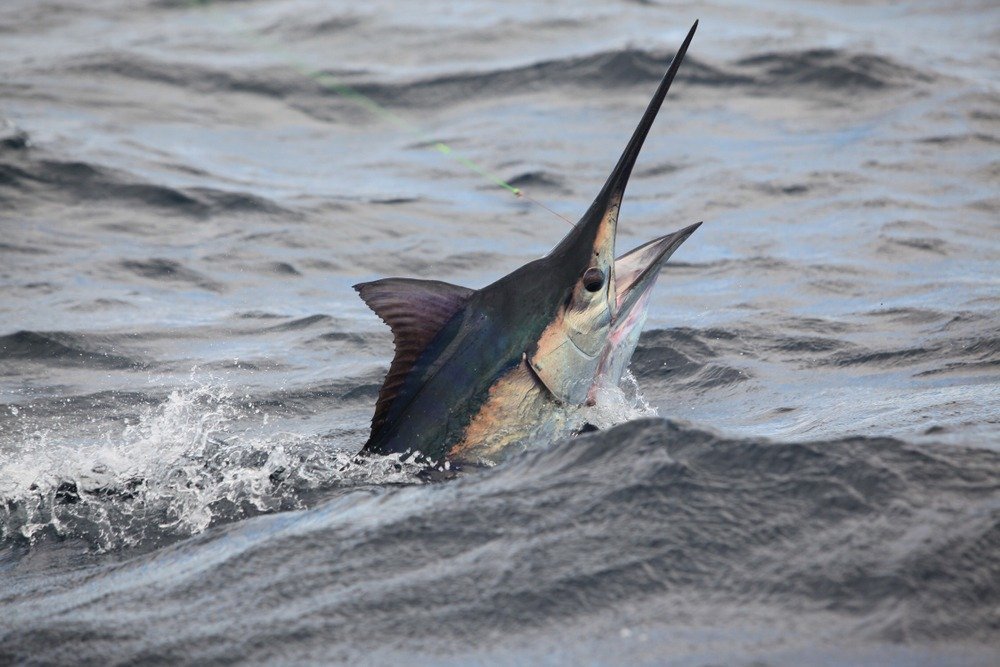
Famous for their magnificent, iridescent dorsal sails and lightning-fast speed, the Pacific Sailfish populates the gulf in impressive numbers. They provide some of the most visual and exciting surface action imaginable, frequently leaping completely clear of the water in an effort to shake the hook.
4. Dorado (Mahi-Mahi) and Wahoo
Adding brilliant color and explosive speed to the spread are Dorado and Wahoo. Dorado are stunningly vibrant, flashing neon shades of gold, green, and blue as they leap through the air. Wahoo, the drag-stripping speedsters of the ocean, attack trolled lures like a freight train, often exceeding speeds of 50 mph on their initial, blistering runs.
Legendary Coordinates: Hannibal Bank and Isla Montuosa
You cannot discuss deep-sea fishing in this corner of the world without whispering two names in reverence: Hannibal Bank and Isla Montuosa.
The Hannibal Bank: A massive underwater mountain that rises abruptly from thousands of feet deep to within just 120 feet of the surface. It acts as a giant natural magnet for marine life. It is widely considered one of the absolute best places on the planet to target trophy Black Marlin and massive Yellowfin Tuna.
Isla Montuosa: Located even further offshore, this isolated island sits on the edge of the continental shelf. It features steep drop-offs and intense currents, making it an exceptional ground for heavy-tackle trolling and deep-water live baiting.
The Catalyst for Adventure: Panama Sport Fishing Charters
Having world-class waters is only half the equation; accessing them safely, comfortably, and successfully requires elite equipment and local expertise. This is where Panama Sport Fishing Charters excels.
To consistently locate fish on a vast ocean, you need speed, stability, and top-tier engineering. The operation utilizes premium center consoles and sport-fishing vessels built to handle the Pacific swells with ease. These fast, high-performance boats allow anglers to minimize travel time to the offshore banks and maximize the time spent with lines in the water.
Why the Right Crew Matters
The unsung heroes of any legendary fishing trip are the captain and the first mate. The captains at Panama Sport Fishing Charters possess decades of generational, local knowledge. They understand the subtle nuances of the gulf: how a shifting tide affects the baitfish on Hannibal Bank, how to read bird radar to spot a tuna boil miles away, and how to position the boat perfectly when a monster billfish goes on a dangerous run under the hull.
Furthermore, the crew utilizes a versatile array of world-class fishing techniques tailored to the day’s conditions:
Live Baiting: Rigging live bonito or blue runners with bridle hooks to entice giant marlin.
Topwater Popping: Casting large, noisy wooden poppers into feeding frenzies to trigger explosive, visual surface strikes from Yellowfin Tuna.
Heavy Trolling: Running a pristine spread of artificial lures and rigged baits to cover water and locate active billfish.
The Sensory Experience: Beyond the Catch
The true joy of deep-sea sport fishing is found in the complete sensory immersion of the day. It’s the smell of the crisp salt air at 6:00 AM as the boat clears the calm coastal estuaries and greets the open ocean. It’s the visual masterpiece of a Panamanian sunrise painting the sky in deep shades of orange and purple behind the volcanic silhouettes of distant islands.
It is also an incredible venue for wildlife viewing. While waiting for a strike, it is common to find yourself running alongside pods of hundreds of spinner dolphins jumping in the boat’s wake, spotting massive sea turtles drifting on the currents, or catching the breathtaking sight of migrating humpback whales breaching nearby.
When a spectacular day on the water concludes, the experience transitions seamlessly to the shore. There is a distinct camaraderie in sharing the day’s epic battle stories over a cold drink with fellow anglers, watching the sunset melt into the Pacific, and enjoying a dinner of ultra-fresh tuna sashimi caught only hours prior.
Summary of the Gulf of Chiriquí Experience
Feature
Description
Primary Offshore Targets
Black Marlin, Blue Marlin, Pacific Sailfish, Yellowfin Tuna, Dorado, Wahoo
Key Offshore Hotspots
Hannibal Bank, Isla Montuosa, Islas Secas, Isla Ladrones
Peak Tuna Season
April through August (with fish frequently exceeding 200+ lbs)
Core Tactic
Live-bait bridling, topwater popping, and heavy-tackle trolling
Conservation Standard
Strict catch-and-release for all billfish to preserve the ecosystem
Deep-sea sport fishing in the Gulf of Chiriquí isn’t just about filling a cooler or checking a box on a bucket list. It is a profound encounter with the raw, untamed power of the ocean. Guided by the expertise of Panama Sport Fishing Charters, it becomes an adventure that etches itself into your soul—leaving you constantly scanning the horizon, listening for the unforgettable scream of a drag, and longing for the next big fight.